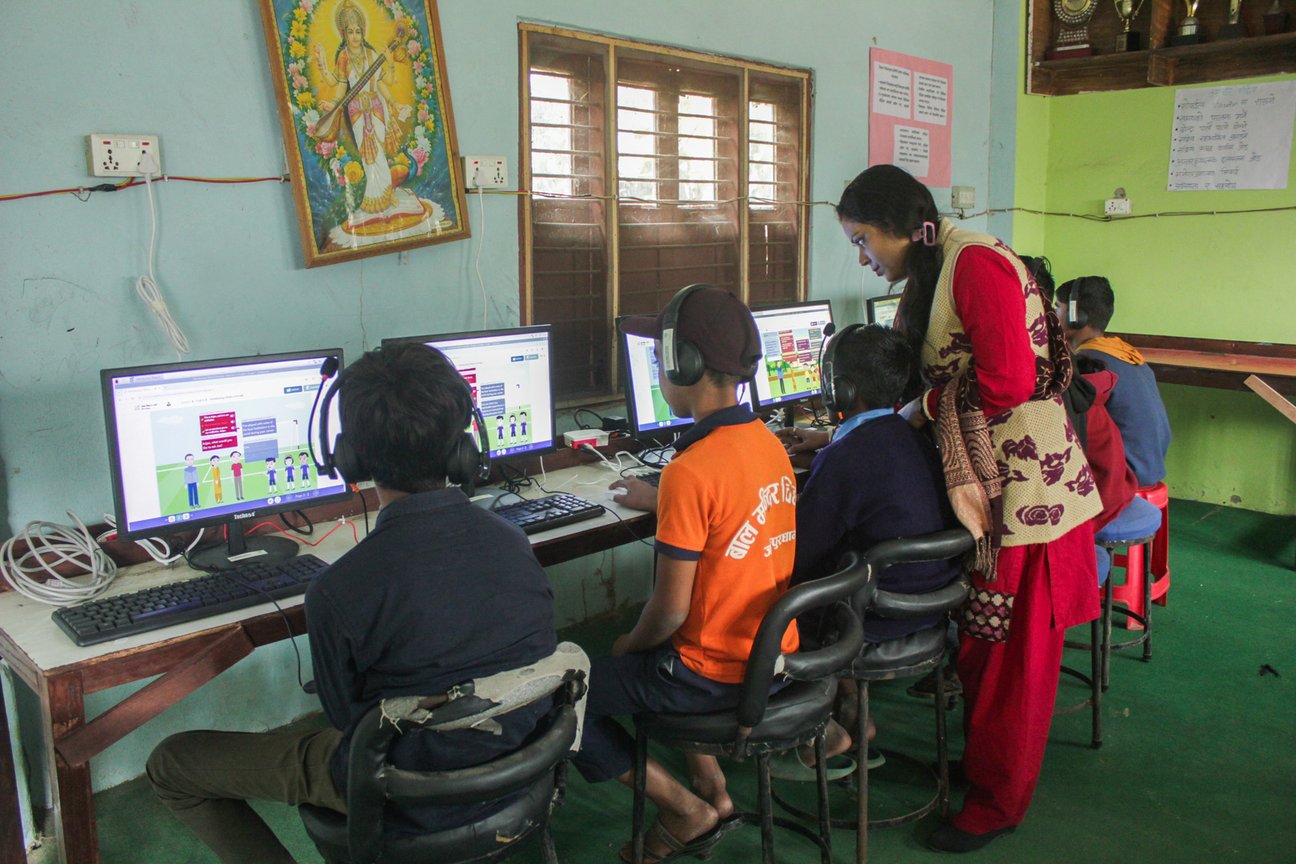
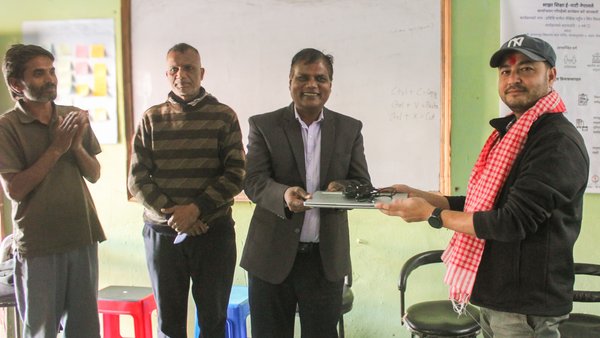
OLE Nepal's EAST (Education Access and Support through Technology) Project happened in Madhesh Province for the very first time. Over eleven days, a four-person field team travelled to three public schools, set up full ICT labs, delivered structured training, and handed the digital lab to teachers and students who now have access to digital learning platforms that have interactive lessons and a vast digital library.
The project was designed with a clear purpose: to close the digital gap in Nepal's public schools by deploying technology infrastructure and building lasting teacher capacity. The Madhesh Province deployment marks the project's first major expansion into the Terai region, targeting communities where digital learning resources have long been out of reach.
Janakpurdham is a sub-metropolitan city of historical and cultural significance, selected as the launch site for Phase 1. Three schools serving students from Early Childhood Development (ECD) through Grade 8 were identified across the municipality. The First Phase covered three public schools within Janakpurdham Municipality, each serving students from ECD through Grade 8. Two field teams operated simultaneously to ensure all schools received the same structured programme within the deployment window. The names of the schools are as follows:
| Shree Asarfi Basic School |
|---|
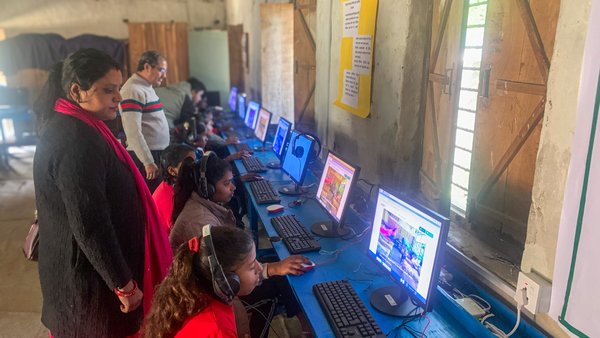
| Shree Basic School, Mansingpatti |
|---|
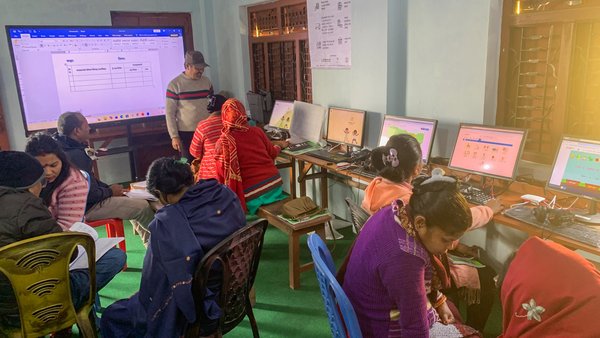
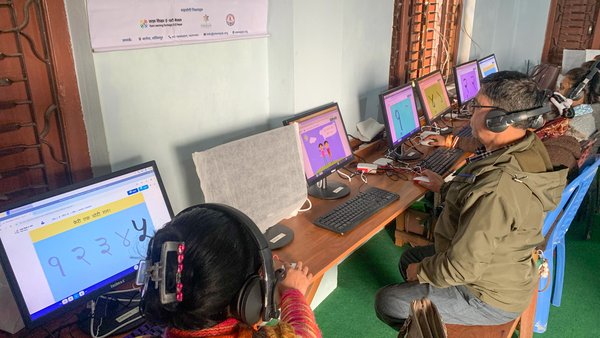
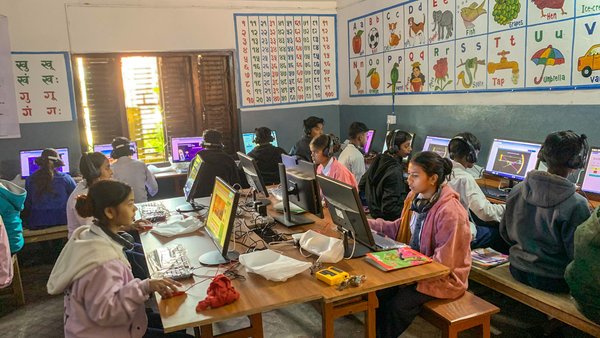
| Shree Basic School Balmandir |
|---|
From observers to instructors
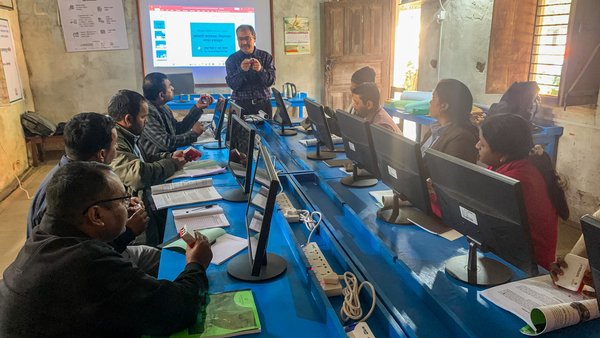
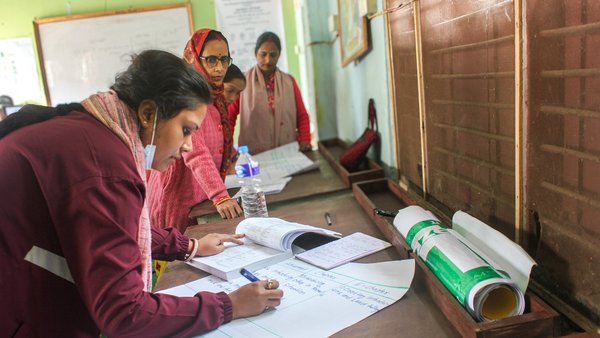
The five-day training programme was built around a simple conviction: teachers learn best by doing. Rather than passively watching demonstrations, educators at all three schools took an active, hands-on role from the very first session. They were physically assembling Raspberry Pi workstations, configuring local school networks, and troubleshooting alongside their trainers.
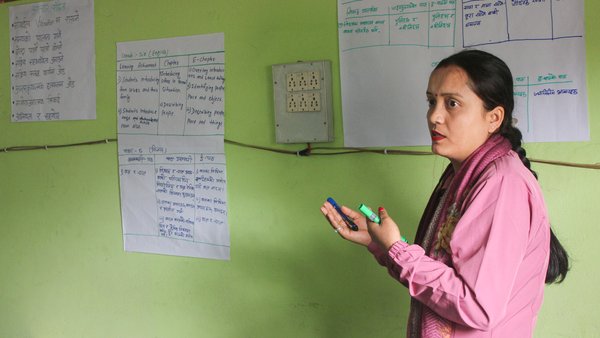
Days three and four brought deep dives into OLE Nepal's core digital platforms. Teachers explored E-Pustakalaya's extensive library of books, educational videos, and audio files, identifying grade-appropriate materials that aligned with their own subjects. They then turned to E-Paath's interactive lessons, working in groups to map digital modules directly to the national curriculum, testing each activity, discussing its pedagogical value, and planning how to use it in real classroom contexts.
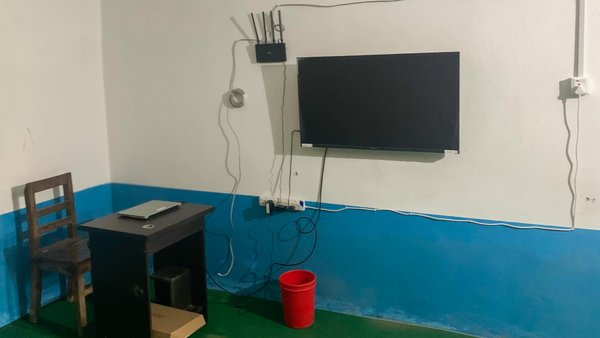
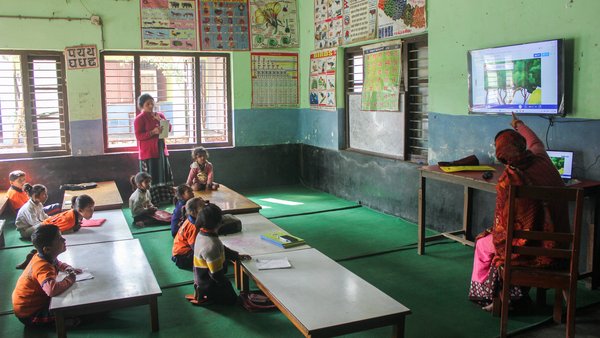
The final day was the proof. Teachers stood at the front of live classes, Smart TV on one side, a classroom of students on the other, and delivered lessons using the technology they had just learned. OLE Nepal trainers stayed close, offering real-time feedback and support.
The transformation was visible. Teachers who had initially struggled to navigate E-Paath grew noticeably more confident by the end. They acknowledged openly that consistent practice would make these tools second nature and that strengthening their own digital fluency was the first step to guiding their students.
When students meet technology
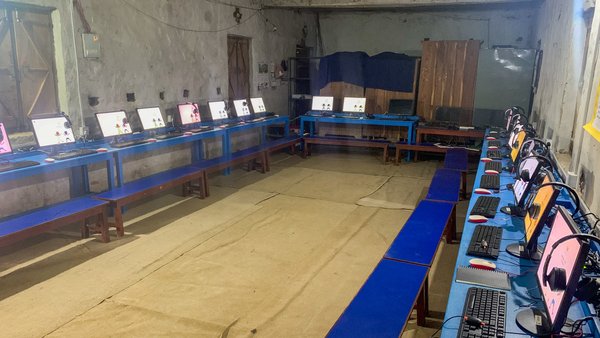
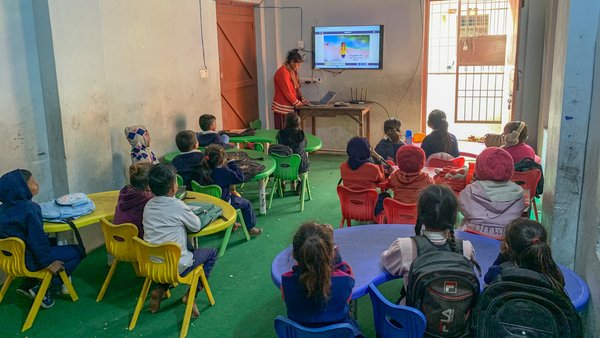
Students from Grades 3 to 8 across all three schools responded with immediate and unmistakable enthusiasm. When the doors to the new digital labs opened, they engaged with the Raspberry Pi 5 computers and Smart TVs with the kind of curiosity that teachers spend entire careers trying to spark.
Interactive E-Paath lessons, digital library content from E-Pustakalaya, and educational games gave students new ways to engage with subjects they had already studied, now with animation, interactivity, and built-in feedback. The energy in the classrooms on the final-day sessions was a meaningful signal: access to technology-driven learning tools has a real and immediate impact on student motivation.
Just the beginning
It was the beginning of a shift in what is possible for students and teachers in Madhesh Province. For the first time, three public schools in the Terai region have the infrastructure, the training, and the community commitment to make digital learning a daily reality rather than a distant aspiration. Teachers who had never assembled a computer by the end of the training were configuring local networks. Students who had never used a Raspberry Pi were navigating E-Paath lessons with focus and enthusiasm.