
Some stories begin in a single place.
They are spoken in kitchens, remembered during long walks, passed down from grandparents to children through conversation, songs, and shared memories. They belong to particular landscapes, rhythms of speech, and ways of seeing the world. Yet many of these stories rarely find their way into digital learning spaces, especially in the languages that communities speak every day.
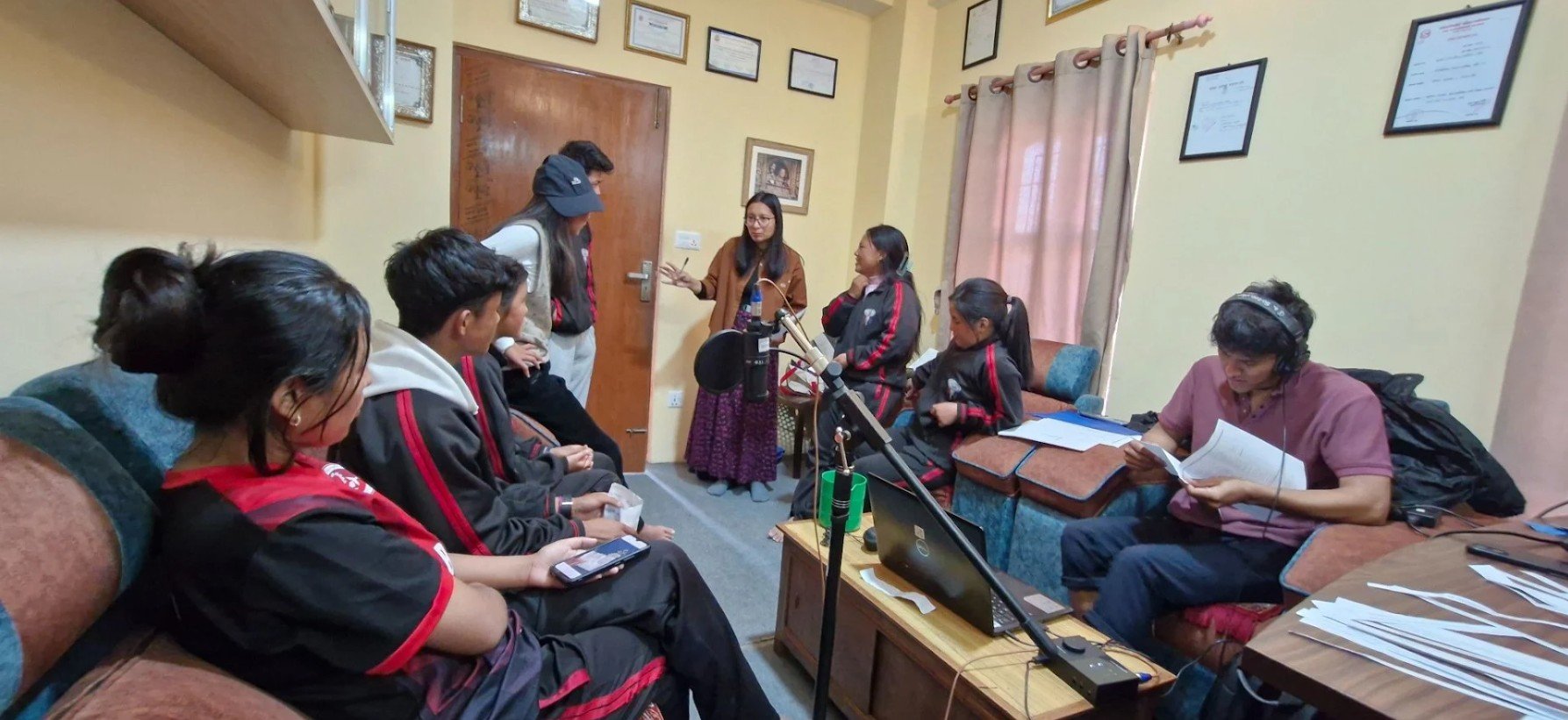
At OLE Nepal, through the Hamro Ramailo Kathaharu (HRK) initiative under the Local Language Education and Skill-Based Training (LLEST) Project, implemented with the support of ONGD-FNEL, we are working to help these stories reach more children and communities by translating them into multiple local languages, including Maithili, Nepalbhasa, and Bhot (Tibetan), while English translations help share them with a wider audience. This work is about much more than translation. Every story carries the values, humor, imagination, and lived experiences of the people who tell it. Our approach focuses on preserving those meanings rather than simply converting words from one language to another.
 |
Research has consistently shown that children learn best when they are taught in a language they understand. UNESCO recognizes mother tongue-based multilingual education as a key factor in improving learning outcomes, strengthening literacy, and preserving cultural and linguistic heritage. Yet globally, around 40% of learners lack access to education in a language they speak or understand. For young learners, reading or listening to stories in a familiar language can make learning more engaging and meaningful. It strengthens early literacy while helping children see their own cultures and identities reflected in educational materials.
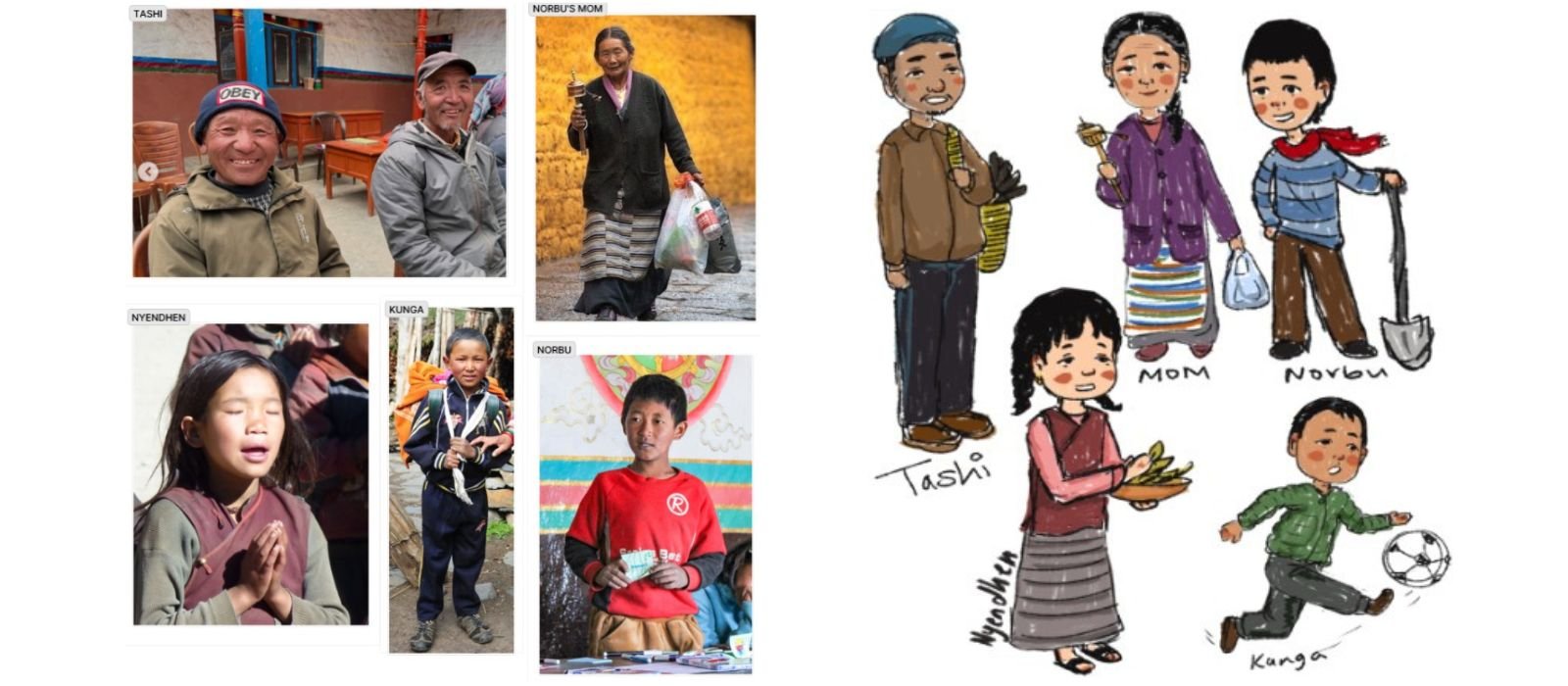
Alongside translating existing stories, we are also creating new stories through participatory workshops with students, teachers, elders, and community members. These workshops provide a space for people to share their ideas, memories, drawings, and experiences, helping us develop stories that are deeply rooted in the everyday lives of local communities. Through conversation, play, and collaborative activities, everyone can contribute, regardless of literacy level. So far, new stories have been sourced from communities in Mustang, Dolpo, and Lalitpur, with additional story-sourcing activities planned for Dhangadhimai.
 |
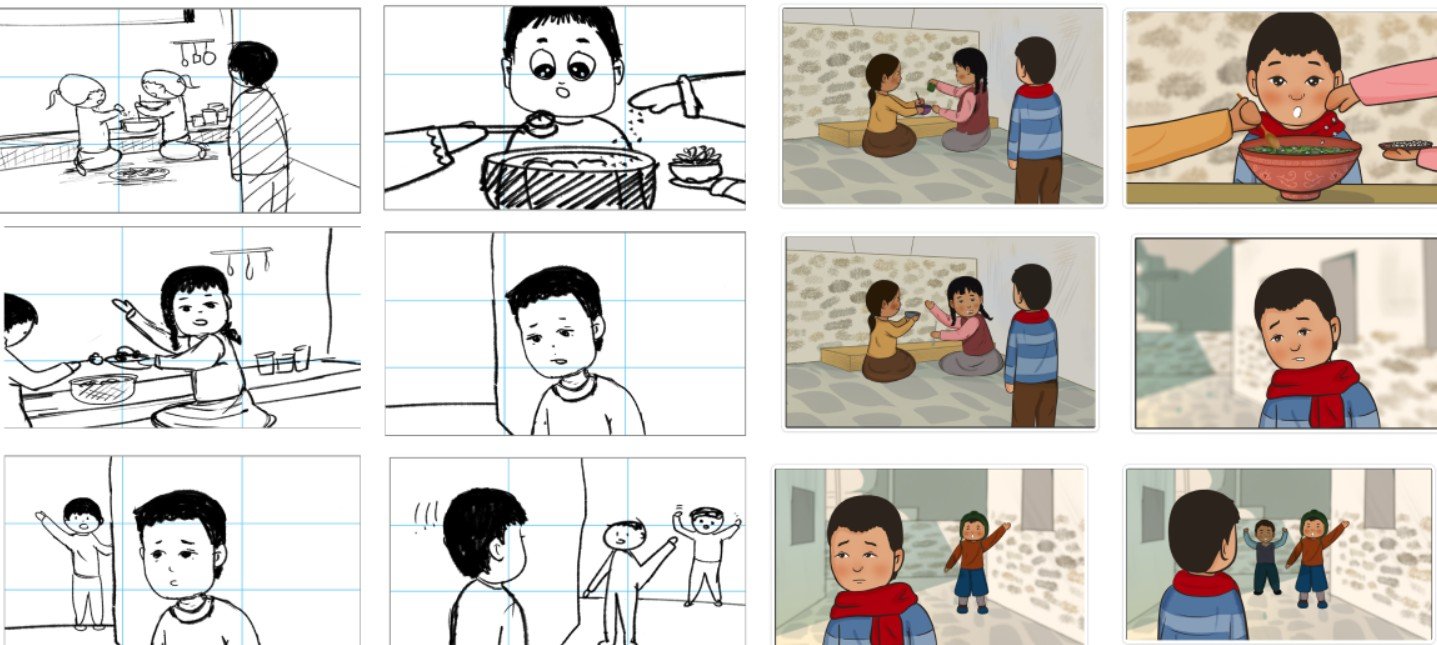
At the same time, English translations create opportunities for these local narratives to reach new audiences, building bridges between communities and allowing the richness of Nepal's linguistic heritage to be appreciated more widely. HRK stories can be accessed through OLE Nepal's digital platforms, including the HRK website, the HRK YouTube collection, and other digital learning platforms that support children, teachers, and families across Nepal. One of the newly developed community stories has already been released on YouTube, with more stories from the participating communities to follow.
 |
When we preserve a language, we preserve a way of seeing the world. And when children discover that their own stories belong in the classroom, they learn something even more important: that their voices matter.